
How to Avoid Noise Complaints at a Garden Marquee Party
Reducing noise complaints at a garden marquee party means planning the music, the people controlling it and the end of the evening together. A neighbour should not have to interrupt your celebration before anyone considers how the party sounds outside the garden.
This guide is for homeowners arranging private celebrations in Essex and nearby areas of England. It helps you decide whether background music, occasional announcements or a DJ suits the location, and what to agree before booking. No arrangement can guarantee that nobody will complain.
Quick Answer
- Choose the least intrusive music plan: consider whether outdoor amplification is necessary, then keep any music modest and agree on a clear finish.
- Assess the surroundings: show the audio supplier nearby homes, the proposed listening area and any concerns about sound reaching neighbours.
- Speak to neighbours beforehand: explain the timing and give them a contact number that someone will monitor.
- Keep control during the party: nominate one host to handle concerns and one person to operate the music.
- Pause if disturbance continues: turn the music down or stop it, reassess the plan and follow any applicable council requirements.
What This Guide Does Not Solve
A checklist cannot establish a lawful sound level for your garden, certify a marquee as soundproof or determine whether your event needs licensing authorisation. Those questions depend on the event and, where relevant, an assessment by the council or a competent specialist.
The legal overview here concerns England. It is general information, not advice on an individual dispute. The guide also does not specify equipment power, electrical connections, speaker mounting or marquee alterations. Ask the relevant supplier to assess those matters.
When to Pause or Ask for Advice
Pause the entertainment booking if you already have an unresolved noise complaint, an enforcement notice, a venue restriction you do not understand or a plan that depends on loud outdoor music continuing late. Explain the circumstances to the relevant council team and audio supplier before committing.
During the event, stop using equipment if there is an electrical safety concern, such as rain reaching unprotected connections. Keep guests away and ask the responsible supplier or competent person to deal with it. Do not move connected equipment or improvise electrical protection to resolve a noise problem.
What Matters Beyond the Garden Boundary?
Noise complaints are not restricted to late evenings
In England, councils can investigate potential statutory noise nuisance at any time of day or night, including music from gardens. Separate warning-notice powers can apply between 11 pm and 7 am. Those hours do not create permission to be unreasonably noisy beforehand.
A statutory nuisance involves substantial, unreasonable interference with the use or enjoyment of premises, or harm or likely harm to health. The GOV.UK explanation of how councils handle noise complaints sets out the distinction. Treat the effect on neighbours as a planning issue throughout the event.
Cover and sound control are different questions
Do not assume that placing speakers inside a marquee contains the music. Ask what the proposed arrangement can realistically achieve. A supplier should not need to promise complete sound isolation for you to make a sensible choice about volume and timing.
Identify nearby windows, gardens and places where people may be resting. Ask the audio supplier to assess speaker position in relation to those areas and the people listening. Avoid choosing a location solely because it produces a tidy photograph or leaves more room beside a table.
Audience comfort also needs separate consideration. HSE guidance addresses exposure to sound at events; its audience guidance is not a permitted garden-boundary noise level. If amplified music is planned, ask how the audience will be kept appropriately separated from speakers. Do not use a concert exposure figure as a target for a private party.
Permission questions depend on the activity
A marquee booking does not itself answer licensing questions. If your plans may involve licensable activities, check the Temporary Event Notice guidance for England and Wales and speak to the licensing authority for the event address. Explain whether alcohol will be sold, who can attend and what entertainment is planned. Do not assume every private party needs a notice, or that every event described as private is exempt.
Choose the Music Plan the Location Can Support
Describe the role of music before choosing equipment. Separate the entertainment you would enjoy from the conditions the garden can accommodate. The following choices are planning options, not approvals for a particular sound level or event.
A conversation-led gathering
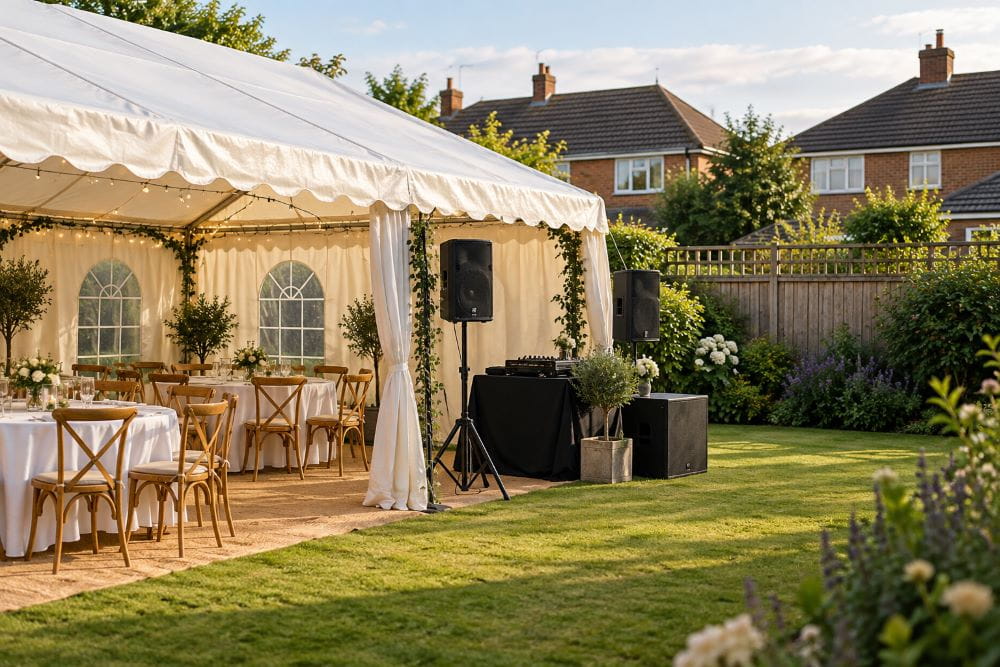
For an afternoon meal or family catch-up, consider a party without amplified outdoor music. Guests can still use the marquee for eating and conversation. That may meet the purpose of the occasion without creating an additional audio task for the host.
If background music matters, decide where it needs to be heard. You may want a gentle accompaniment in one gathering area rather than music across the whole property. Tell the supplier that conversation is the priority and ask whether the proposed equipment can be operated appropriately for that purpose.
A celebration with brief speeches
Announcements and speeches are a different requirement from continuous music. List who will speak, where listeners will be and roughly when the microphone is needed. Ask whether amplification is necessary for the actual group and location.
Give one person responsibility for introducing speakers and ending microphone use afterwards. A microphone hired for a toast need not remain available for unplanned announcements throughout the evening. Decide how you will gather attention without repeatedly calling across the garden.
A party with a dedicated DJ period
Where dancing is central, define a specific entertainment period and discuss the residential setting before booking. A playlist preference is only part of the brief. The DJ also needs to understand the agreed finish, who can request changes and how the host will communicate a noise concern.
Pause if the celebration would feel unsuccessful without sustained loud music that the site cannot reasonably accommodate. Consider an earlier programme, a shorter outdoor music period or a venue suitable for the intended entertainment. Buying more equipment does not resolve a mismatch between the event and its surroundings.
A gathering with unresolved restrictions
If the host, property owner and supplier have different understandings of what is permitted, settle that question first. Keep the relevant written restriction with the party plan and ask the organisation responsible to explain anything unclear. An informal conversation should not replace a required approval.
For separate questions about access, ground conditions or weather, use the guidance on practical marquee setup problems. Resolve those constraints alongside the music plan rather than assuming an audio decision makes the whole event suitable.
Prepare and Run a Manageable Sound Plan
1. Describe the garden from both sides of the party
Make a simple sketch showing the proposed marquee, listening area, house and neighbouring properties. Add the guest entrance and any shared access. The drawing is a briefing aid; it does not need to be a technical plan or claim that particular distances are acceptable.
Take photographs from your own property that show the available space and the relationship to nearby homes. Include any awkward feature that a supplier might otherwise discover only on arrival. Explain where you expect guests to gather for conversation, food and music.
2. Set the programme before sending invitations
Record separate times for guest arrival, any sound check, speeches, the main music period, music finishing and departures. These are your proposed arrangements, not universal legal cut-offs. Keeping them separate makes it clear whether an advertised finish means the music ends or everyone leaves.
Allow a realistic period for saying goodbye and finding coats. If invitations suggest an open-ended evening while the DJ has a fixed finish, expectations will conflict. Explain the intended shape of the occasion early, including any quieter period after entertainment ends.
3. Give neighbours useful information
Speak to people likely to be affected, including those whose gardens back onto yours. Give the date, approximate start, planned finish and a number to contact during the celebration. Advance notice is a courtesy; it does not remove a neighbour’s right to raise a concern.
Ask whether there is a particular timing concern you can reasonably accommodate. You do not need personal medical information or an explanation of someone’s household circumstances. A practical request, such as avoiding a certain period, is enough to consider when setting the programme.
Make sure the contact person knows that the number has been shared. If you will be busy hosting, nominate another adult who can answer, find you and arrange a prompt change. A contact number is of little use if the phone is left indoors on silent.
4. Agree who controls the audio
Choose one person to operate a hired music system, or agree on the communication route with the DJ. Tell guests that volume requests go through that person. Keep the playback device under the operator’s control so different guests do not create competing versions of the plan.
Confirm which requests need the host’s agreement: extending the music period, adding a microphone session or changing the planned listening area. If several people are organising the event, choose one final decision-maker. That avoids a relative unknowingly reversing a change made after a complaint.
5. Check the proposed arrangement before guests arrive
Ask the supplier to explain the normal controls and any limitations. Use a brief check at the intended operating level, with representative music or speech. Do not turn a practical equipment check into an extended rehearsal that adds unnecessary disturbance.
Listen from safe positions around your own property and, where appropriate, publicly accessible places nearby. Hinckley & Bosworth Borough Council’s garden-party noise advice recommends occasional checks outside the property. Never enter a neighbour’s land without permission.
If bass or music is intrusive outside the intended area, ask the operator to reduce it and reassess. An informal listening check is a way to identify concerns, not evidence that a legal threshold has been met. Do not rely on a phone reading as permission to keep the same level all evening.
6. Keep the plan active as the party changes
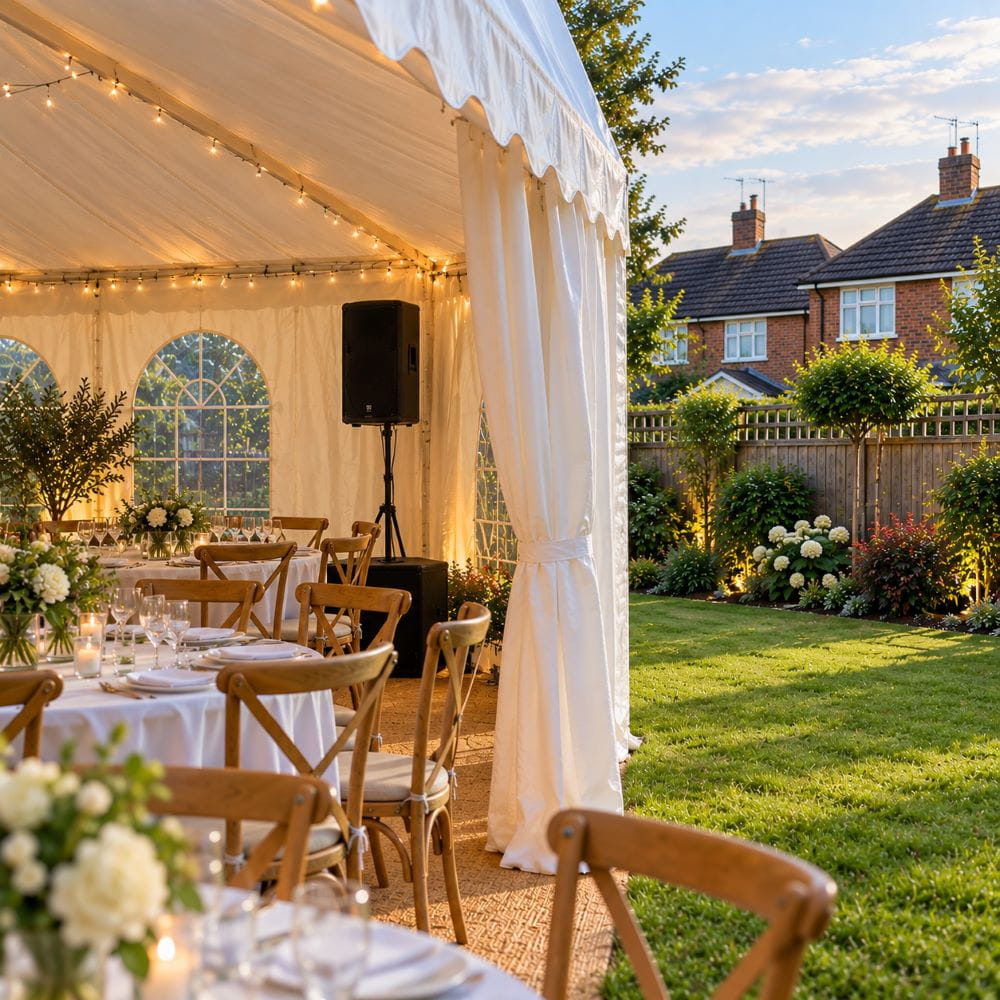
Revisit the arrangement when the event moves from food to dancing, another person takes over the controls, or guests relocate. Ask whether the music is still serving the intended activity. A decision made for arrival drinks should not automatically carry through to the final part of the evening.
Keep the host and audio operator in contact. Agree a simple, discreet way to request a reduction so neither person needs to shout across the party. Check that the nominated neighbour-contact phone remains available when the host is giving a speech or helping guests.
7. Respond to a complaint before debating it
Thank the person for letting you know, reduce or pause the music and establish what is disturbing them. The concern may be a persistent bass beat, an outdoor group or a particular period of entertainment. Keep the exchange calm and focus on an action you can take.
Record the time, concern and change so another organiser does not accidentally undo it. Recheck after the adjustment. If disturbance continues, stop the outdoor music and use the agreed alternative. Do not insist that a neighbour must come into the garden to prove there is a problem.
If a council officer contacts you, establish what is required and act on any applicable notice. Seek clarification through the stated council contact if necessary. A dispute about the complaint should not become a reason to keep playing music while the issue remains unresolved.
8. End the evening as deliberately as it began
Tell guests when the entertainment is finishing before the final track. Arrange departures with consideration for nearby homes: avoid groups waiting outside a neighbour’s entrance and ask drivers not to announce arrival with a horn.
Keep the party contact available while people leave. Agree equipment collection arrangements with the supplier in advance, including any timing constraints you have raised. Do not assume that stopping the playlist also ends every source of noise associated with the celebration.
Assumptions That Can Undermine the Plan
- “Everyone knows we are having a party.” Knowing about the event does not mean neighbours have agreed to whatever happens. Give them specific information and a practical way to contact you.
- “The DJ will decide everything.” An operator needs a brief. The host must explain the setting and make decisions about the event programme.
- “The equipment can go there because there is space.” Ask the supplier to consider the intended listeners, safe installation and neighbouring properties together.
- “A quieter fallback can be arranged later.” Decide beforehand what guests will do if music stops. Otherwise, the host has to invent an alternative while handling a concern.
- “The birthday person can extend the finish.” Tell anyone sharing the hosting role which arrangements have been communicated and who can approve changes.
- “No complaint means nothing needs checking.” Keep the agreed monitoring and finish arrangements even when the evening appears to be going smoothly.
Keep a Useful Record for the Next Celebration
After the event, note which parts of the programme worked, whether the audio had a clear purpose and which decisions caused confusion. Keep the practical lessons: who monitored the phone, when music finished and what you would change about hosting responsibilities.
If a neighbour raised a concern, follow up politely when appropriate and record the adjustment needed for any future event. Do not treat a previous celebration as automatic approval for a later one. Different timings, guests or entertainment can require a fresh discussion.
Keep one current party plan rather than several old messages containing different instructions. For a future booking, provide the supplier with the revised brief and flag any unresolved restriction. Recurring difficulties are a reason to reconsider the event format or location.
How to Get This Done
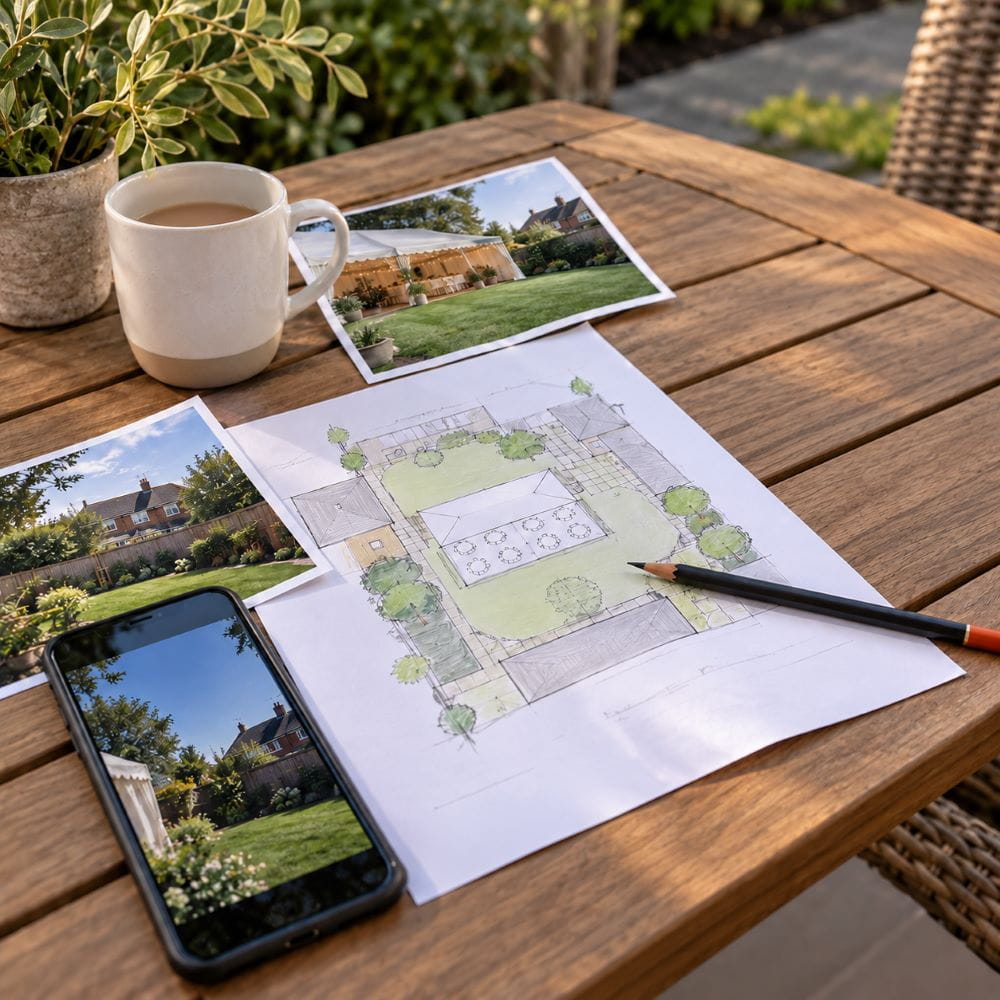
Prepare a short audio brief before choosing hire items. Include the event date and postcode, expected guests, garden sketch, intended music or speech use, proposed timings and any known neighbour concerns. Add access information and ask the supplier what power arrangements need checking.
MBC Hires provides speaker and PA equipment hire for private events, with arrangements based on the venue and audio requirements. If you want someone to manage the music programme, discuss DJ services for the planned entertainment. Neither service should be treated as a guarantee that a residential site is suitable for every type of party.
Ask the proposal to distinguish equipment, operator responsibilities, event timings and anything that still needs confirmation. Make clear whether you want speech support, background music or a defined period of dancing. Ask who will explain the controls and what happens if you need to reduce or stop the music.
When the brief is ready, send your event and audio requirements to MBC Hires. Direct licensing or enforcement questions to the appropriate council team, and seek specialist acoustic advice where an individual assessment is needed.
Summary
A considerate marquee party has a music plan that suits its surroundings, a host who can act on concerns and a finish that everyone understands. Decide those points before booking, brief the supplier clearly and keep the arrangements under review while guests are present. If the intended entertainment cannot work responsibly in the garden, change the programme or location.
Frequently Asked Questions
-
Can I play loud music until 11pm?
No. In England, statutory noise nuisance can be investigated at any time. The separate 11pm to 7am warning-notice provisions do not authorise loud music earlier. Agree a considerate programme and check any restrictions affecting the event.
-
Does telling neighbours mean they cannot complain?
No. Advance notice helps communication but does not prevent a complaint. Share useful timings and a working contact number, then respond if someone tells you the party is disturbing them.
-
Is a marquee automatically soundproof?
Do not assume it is. Ask the supplier about the actual structure and proposed audio arrangement. Plan speaker use and the event timetable without relying on the marquee to contain all sound.
-
Is there one safe decibel setting for a garden party?
This guide cannot provide a universal setting. Equipment controls, audience exposure and the effect at neighbouring homes are different questions. Ask the council or an acoustic specialist where a site-specific noise assessment is needed.
-
Do I need a Temporary Event Notice because I hired a DJ?
Do not decide solely from the booking. Requirements depend on whether the planned activities are licensable and on the circumstances. Explain the full event to the relevant licensing authority if you are unsure.
-
What should I do if turning the music down does not help?
Stop the outdoor music and follow the alternative agreed before the party. Check whether another activity, such as guests waiting outside, is causing the disturbance. Keep communication calm and comply with any applicable council notice.
PLANNING MUSIC FOR YOUR MARQUEE PARTY?
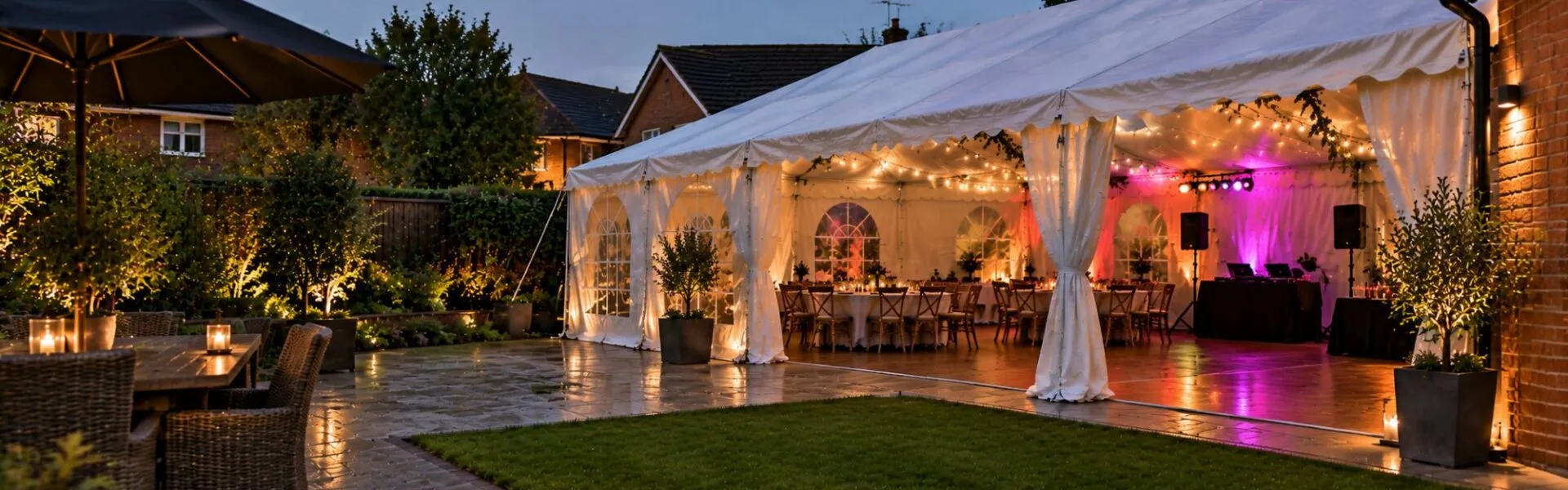
If your garden party includes background music, speeches or announcements, plan the audio around the event and its residential setting. Explore MBC Hires’ speaker and PA hire when preparing the equipment requirements for your celebration.